

Alex Morgan
“I use anime AI mainly to convert photos and illustrations into anime-style characters. Compared to manual redraws, it saves several hours per character while keeping the core facial features recognizable.”

Create anime art, videos and full movies with AI
Create anime art, comics, characters, and animated videos in seconds. From manga, manhwa to full animations, Elser AI brings your ideas to life in diverse styles.
Anime AI refers to artificial intelligence tools that generate anime-style images, videos, and animated scenes from text, photos, or scripts.
With modern anime AI generators, creators can design anime characters, produce animated videos, and even build full anime movies with consistent characters and scenes.

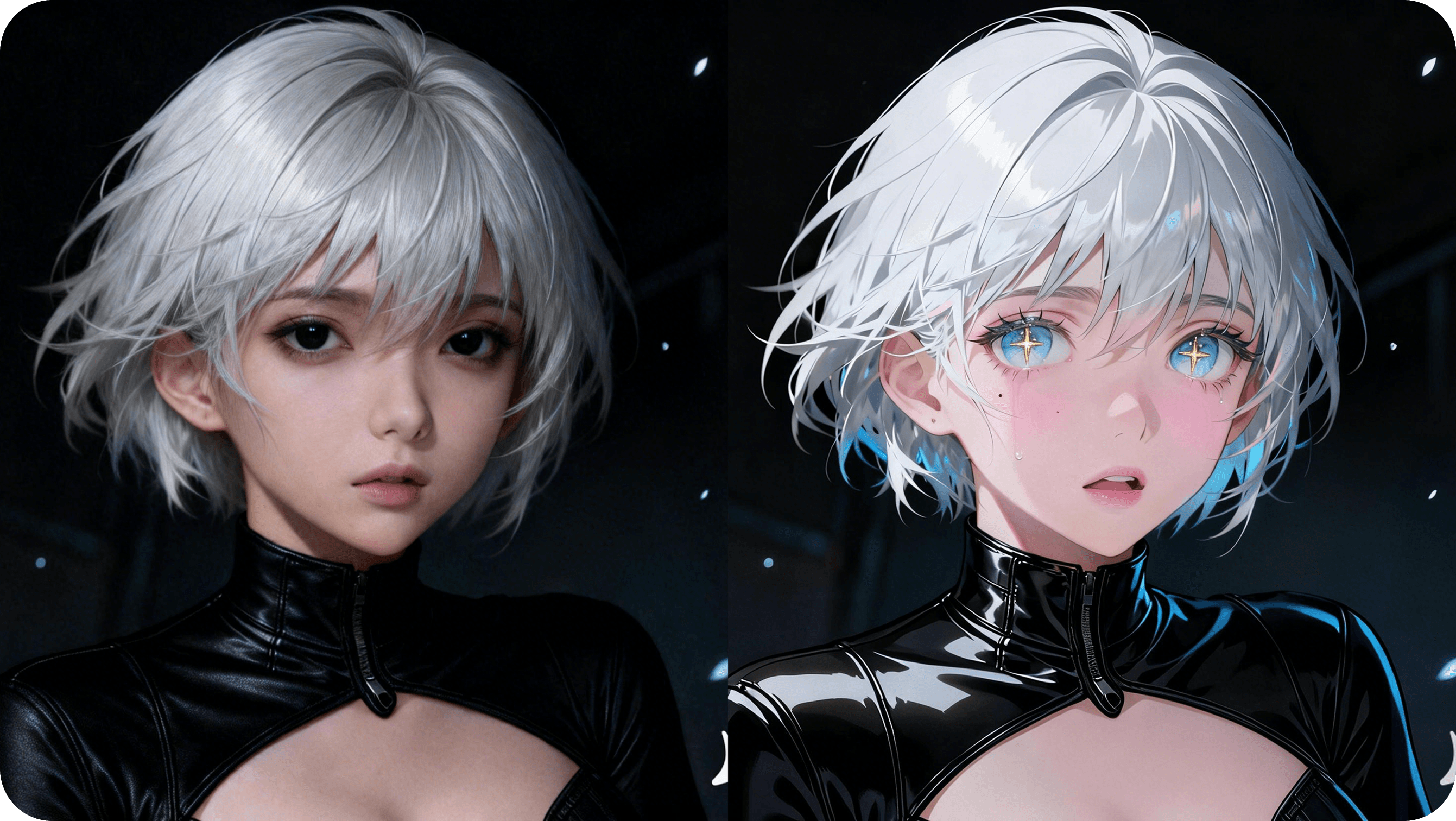
Use our AI anime art generator to create character art, fanart, and original anime-style illustrations from text or images.
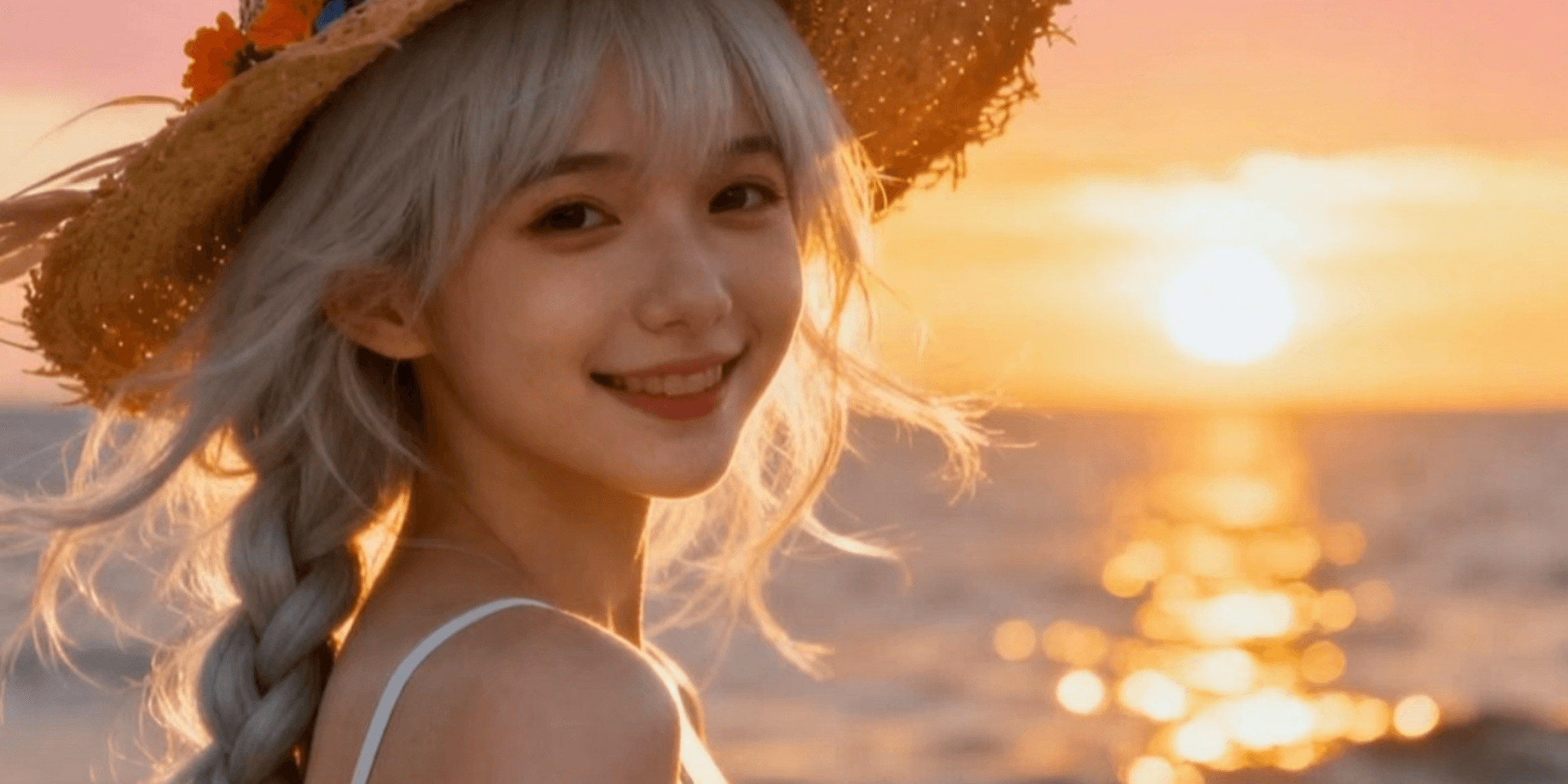
Turn real people into anime characters
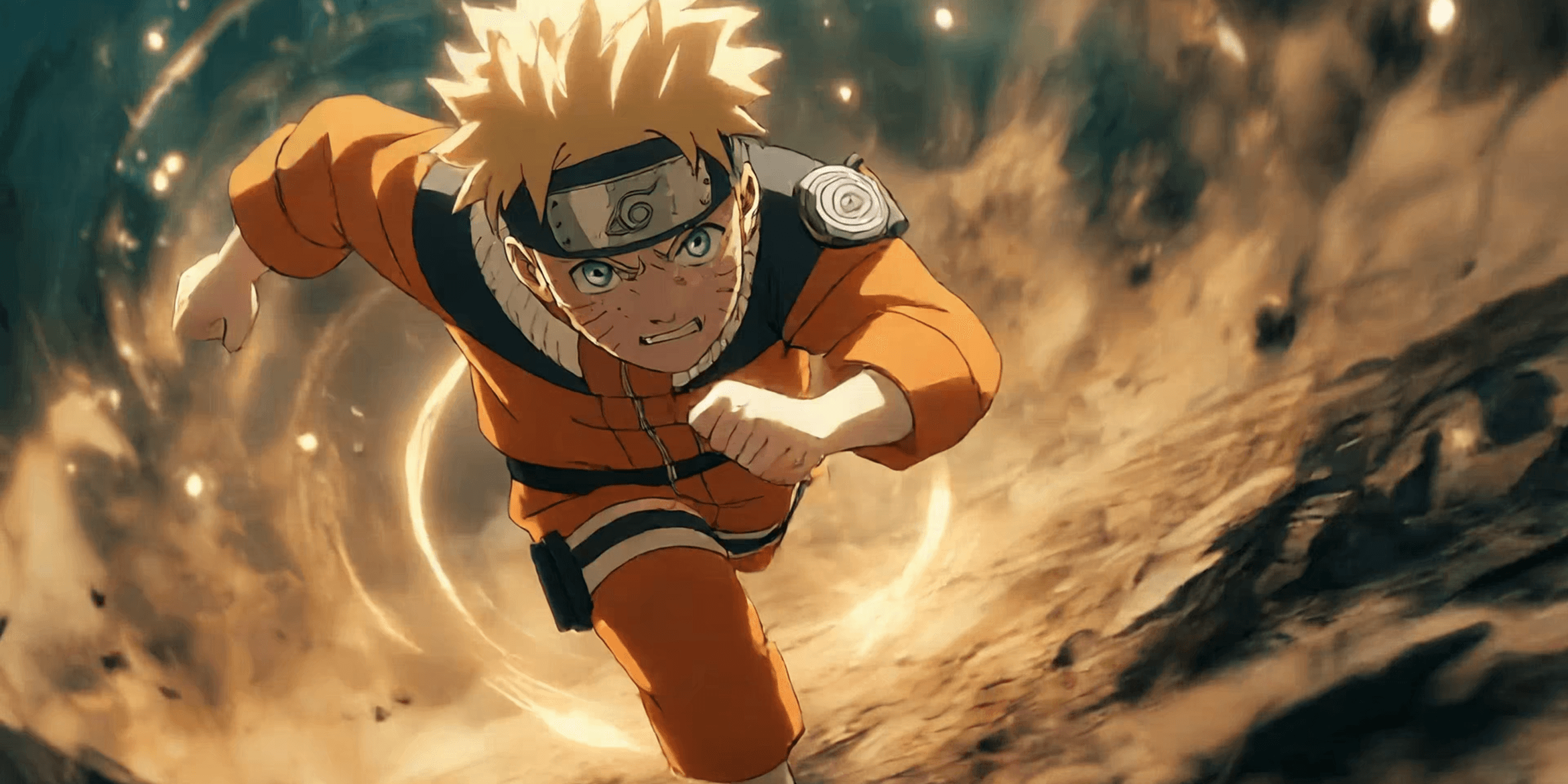
Create anime fanart inspired by popular IPs
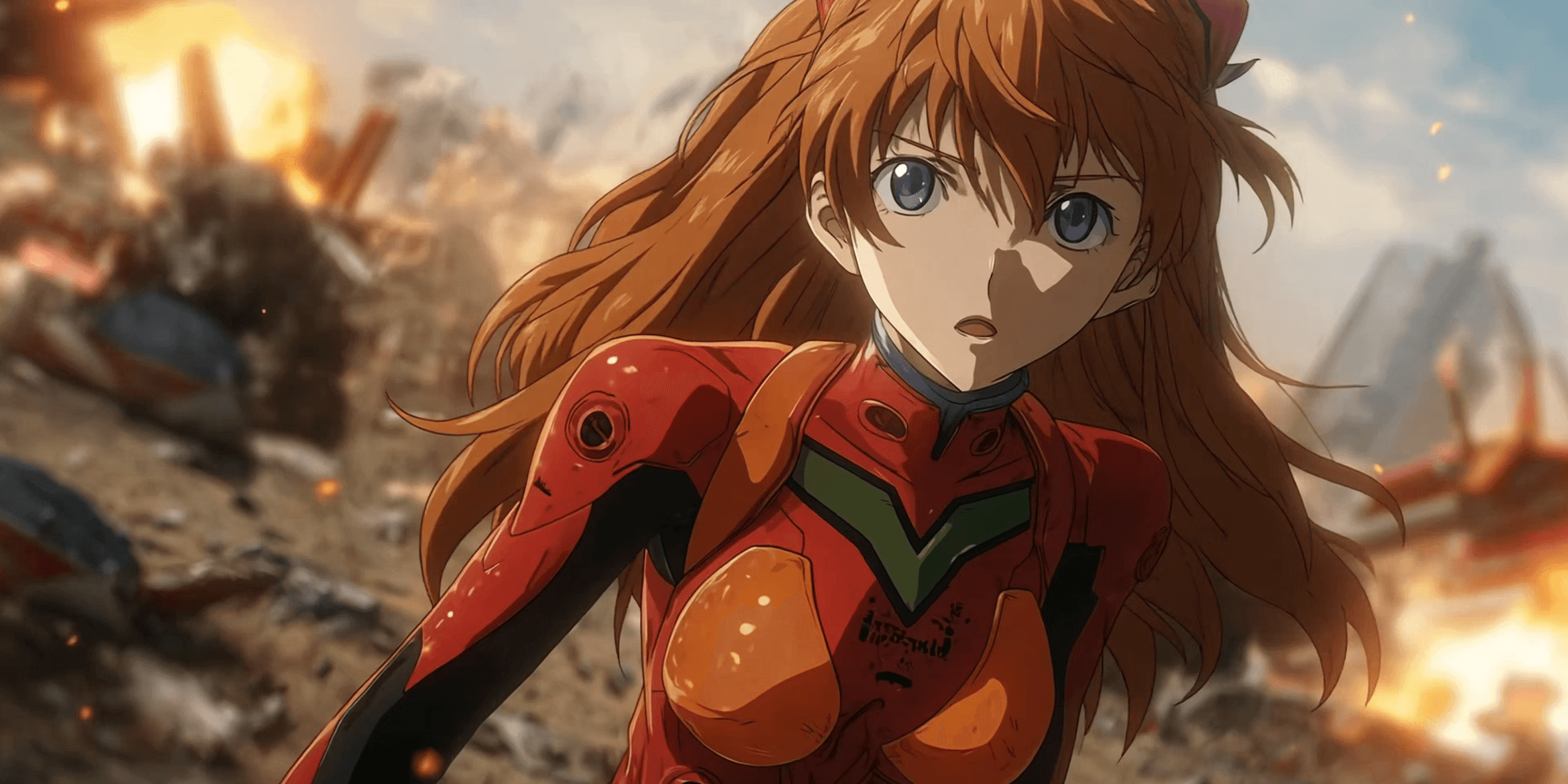
Design original characters - OC Maker
Bring anime stories to life with AI-generated videos.
Create anime music videos, hybrid fighting scenes, or transform real people into anime-style story videos using an anime AI video generator.

Anime MV and short anime videos

Hybrid fighting scenes and action clips

Real-person to anime story videos
Create full anime movies with consistent characters and scenes.
Unlike basic anime AI tools, this anime AI movie generator is built for long-form projects with character consistency, scene control, and precise lip sync.
Character consistency across scenes

Scene-to-scene visual and motion control

Lip sync for dialogue-driven anime

Anime AI supports a wide range of visual styles, allowing creators to experiment with different looks for art, videos, and full anime projects.
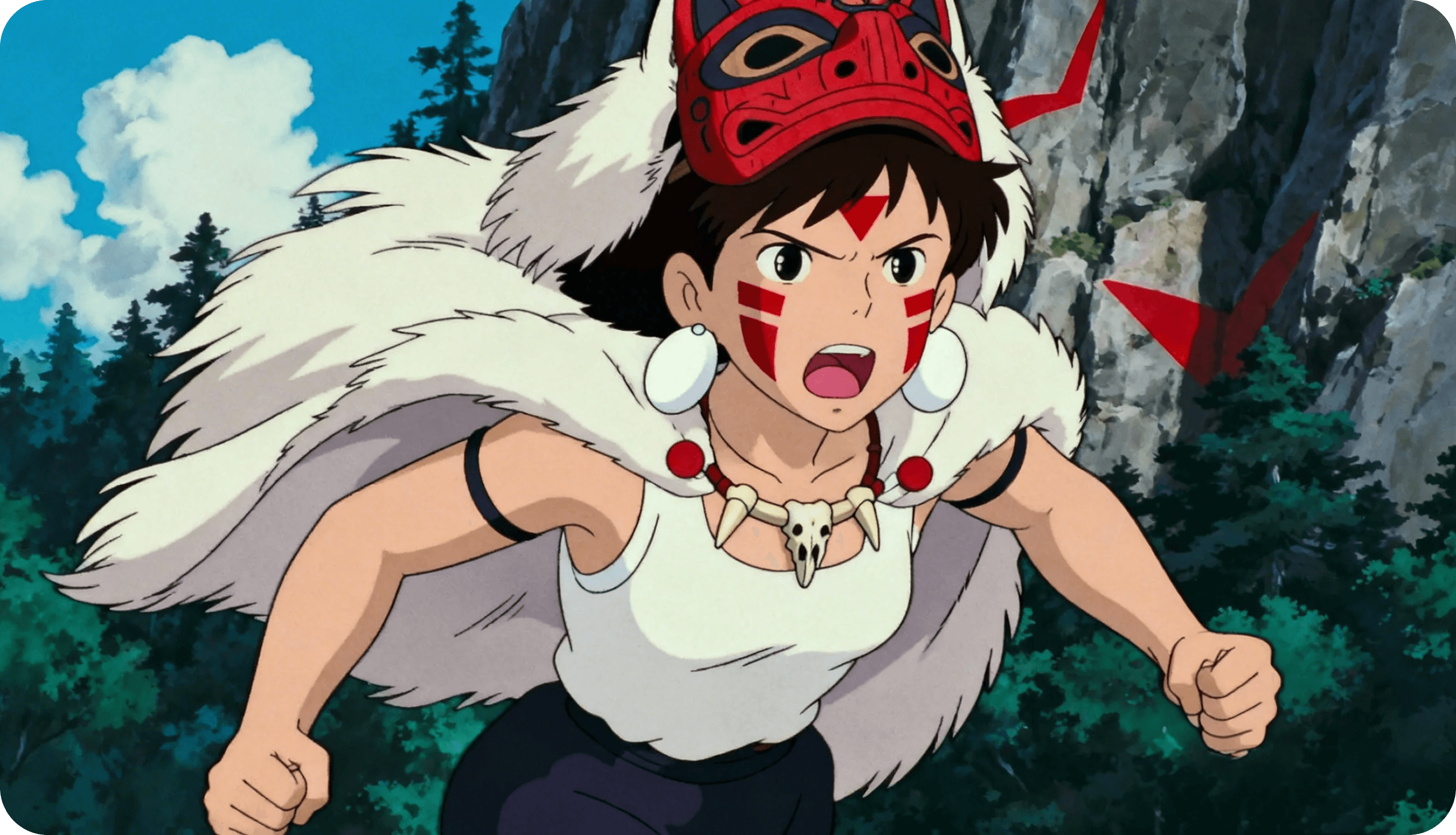
Anime AI has evolved beyond simple image generation.
Today's anime AI tools are designed for real creative projects, not just single images or short clips.

Not just single anime images
Not just short anime clips
Designed for real anime projects
Anime AI is already used by creators for character design, image animation, and short-form anime videos. Below are real-world observations shared by creators who use AI-based anime generation and animation tools in their workflows.
“I use anime AI mainly to convert photos and illustrations into anime-style characters. Compared to manual redraws, it saves several hours per character while keeping the core facial features recognizable.”
“Animating a still image used to require frame-by-frame work. With AI image animation, I can generate short animated clips in seconds and then refine them in post-production.”
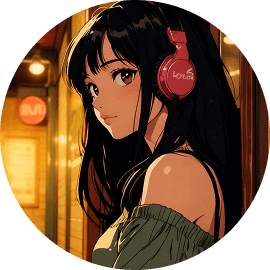
“Text-to-animation tools are useful for testing story ideas. I often generate short animated scenes from scripts before committing to a longer production.”
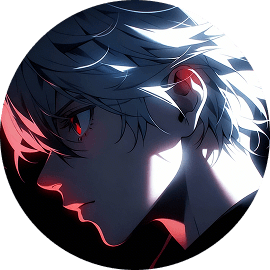
“Character consistency is the hardest part of AI animation. Tools that support reference-based generation make a noticeable difference once a project goes beyond a few scenes.”
Anime AI is already being used by creators to produce anime-style art, animated clips, and story-driven videos. Below are examples of works created using AI-based anime animation workflows.
An AI anime generator is a type of artificial intelligence tool that creates anime-style images, animations, or videos from text prompts or images. Most AI anime generators focus on specific tasks such as AI anime art generation, image-to-anime conversion, or short animated clips. More advanced systems can also support multi-scene animation and longer anime-style videos instead of single images.
AI animation works by predicting motion between frames based on learned visual patterns and movement data. Depending on the model, AI animation systems typically generate 12–30 frames per second, which allows still images or text descriptions to become animated sequences. Simpler tools are designed for short loops, while advanced AI animation generators can handle scene-based animation and longer outputs.
To animate an image with AI, users usually upload a still image and apply motion instructions or presets. The AI then generates movement by estimating how the subject should move across consecutive frames. This process is commonly known as image to animation AI or AI image animator, and is widely used for portraits, illustrations, and anime-style visuals. Some platforms also support exporting animated images as short videos or GIFs.
Image-to-anime conversion uses AI models trained on anime-style datasets to transform photos or illustrations into anime visuals. This workflow is often referred to as image to anime, photo to anime, or AI image to anime. High-quality image-to-anime tools aim to preserve facial structure and key details while applying a consistent anime aesthetic. Some image-to-anime workflows, such as those available on anime-style image generation platforms like Elser AI, also allow users to experiment with multiple anime styles.
Animating a still image into a video usually involves generating motion from a single image and extending it across multiple frames. With current AI technology, a single image can typically be animated into a 3–10 second video, depending on motion complexity and resolution. This technique is commonly called image to video animation or animate image to video, and is often used for short anime clips, intros, and animated visuals. Some AI animation tools also support exporting these results as MP4 or GIF formats.
Yes. AI can turn text into animation by interpreting written descriptions and generating animated scenes based on the prompt. This approach is commonly referred to as text to animation, text to video AI, or animation text to video. Text-based animation allows creators to describe characters, scenes, and actions without manually animating each frame, making it popular for anime-style storytelling and concept videos. Advanced text-to-animation workflows are supported by some animation platforms, including script-based animation tools such as those in Elser AI.
Basic AI animation tools often struggle with character consistency, especially across multiple scenes. In practice, visible character drift may appear after 3–5 generated shots. More advanced AI animation systems use reference-based generation to maintain character appearance, clothing, and style across longer sequences. These systems are designed for story-driven anime projects rather than single clips, and are increasingly used in long-form AI animation workflows.
Some AI tools offer free trials or limited free plans for animating images. However, free versions often come with restrictions such as shorter video length, lower resolution, or watermarks. For example, free AI image animation tools typically limit output to a few seconds per clip. Users who need higher resolution, longer animations, or more control often choose paid AI animation generators that support advanced features.